You’re driving at night, the road is calm, then the dashboard starts to blink like a loose neon sign. The engine keeps going, the car does not stall, yet the lights flicker and fade. This moment can feel confusing and stressful. Many drivers think the car is about to shut down, but that is not always the case. When the engine stays running while the dashboard lights flicker, the issue often points to a power flow problem rather than a full engine failure. This guide breaks down the real reasons, what signs to watch for, and how to fix the issue before it grows into a bigger repair.
Why Dashboard Lights Flicker While the Engine Keeps Running
The dashboard runs on electricity. The engine runs on fuel and spark. When lights flicker but the engine stays on, it means the engine still gets enough power to operate, but the electrical system is struggling to stay steady. This usually comes from voltage changes, loose connections, or parts that are starting to wear out.
Common Causes of Flickering Dashboard Lights
Weak or Failing Alternator
The alternator charges the battery and powers electrical parts while driving. If it starts to fail, voltage can rise and fall. This makes dashboard lights flicker while the engine keeps running.
Signs to watch for
- Headlights dim or pulse
- Battery warning light comes on
- Electrical items act strange
A weak alternator can work just enough to keep the engine alive, yet not enough to keep lights stable.
Loose or Corroded Battery Connections
Battery cables must stay tight and clean. If they loosen or build corrosion, power flow becomes uneven.
Common symptoms
- Flickering dash lights
- Radio cutting in and out
- Power windows slowing down
This is one of the most common causes and also one of the easiest to fix.
Worn Ground Wires
Ground wires complete the electrical circuit. When a ground wire loosens or wears out, electricity searches for another path. This causes flickering lights and odd electrical behavior.
Clues of ground wire trouble
- Lights flicker when hitting bumps
- Issues happen more in wet weather
- Multiple electrical glitches at once
Battery Near the End of Its Life
A battery can still start a car but fail to hold steady voltage while driving. This leads to flickering dashboard lights even though the engine stays running.
Battery warning signs
- Slow engine crank in the morning
- Battery older than three years
- Electrical problems during idle
Faulty Voltage Regulator
The voltage regulator controls how much power flows through the car. When it fails, voltage spikes or drops.
What you may notice
- Dashboard lights flash randomly
- Headlights burn brighter than normal
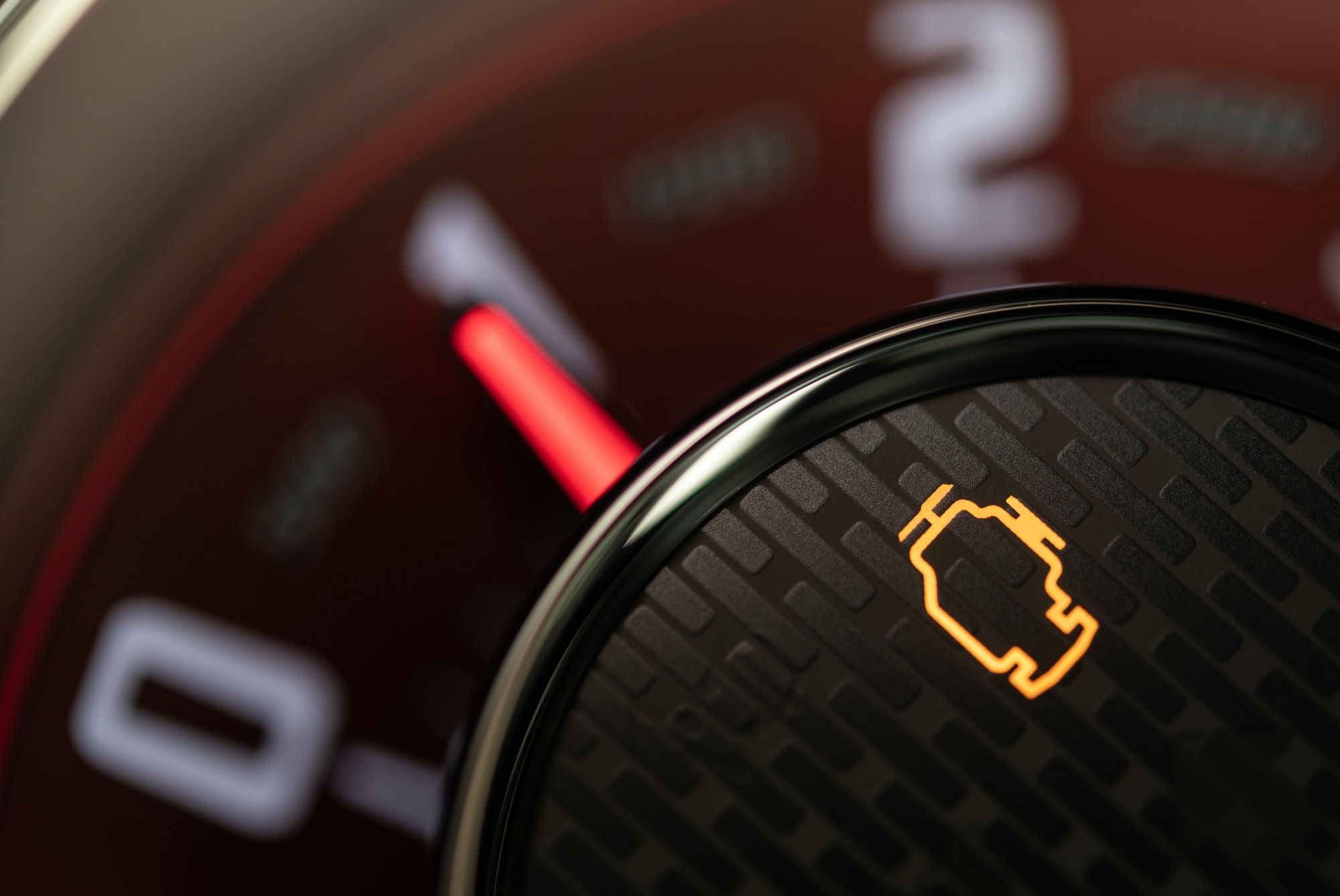
- Warning lights appear without reason
Many modern cars have the regulator built into the alternator.
Ignition Switch Wear
The ignition switch sends power to many systems. Over time, internal contacts wear out.
Symptoms include
- Flickering dash lights while driving
- Accessories shutting off for a second
- Issues when turning the key slightly
This issue can feel random and often gets worse over time.
Is It Safe to Drive When Dashboard Lights Flicker?
Short trips may be fine, but long drives can be risky. Flickering lights mean unstable power. If the alternator or wiring fully fails, the engine may shut off without warning.
Stop driving if you notice
- Power steering stops working
- Engine begins to sputter
- Strong burning smell
- Battery warning light stays on
Ignoring the issue can leave you stranded.
Why the Engine Keeps Running During Electrical Problems
Engines need fuel, air, and spark. As long as these basics remain steady, the engine can keep running even when other electrical parts struggle. Modern engines can run on stored battery power for a short time. This explains why lights flicker while the car still moves forward.
How to Diagnose the Problem Step by Step
Step 1: Check the Battery Terminals
Look for corrosion, dirt, or loose cables. Clean and tighten them if needed.
Step 2: Inspect the Battery Condition
If the battery is old or shows low voltage, test it. Many auto parts stores offer free testing.
Step 3: Test the Alternator Output
A healthy alternator should produce steady voltage while driving. Fluctuating numbers point to alternator trouble.
Step 4: Inspect Ground Connections
Look for broken, loose, or rusted ground wires near the engine bay and frame.
Step 5: Scan for Electrical Codes
Some vehicles store electrical fault codes even when no warning light stays on.
Can Weather Make Dashboard Lights Flicker?
Yes. Cold weather weakens batteries. Heat damages wiring insulation. Rain and humidity can worsen corrosion. Flickering lights that appear during storms or temperature changes often point to wiring or ground issues.
Cost to Fix Flickering Dashboard Lights
Repair costs depend on the cause.
Average repair ranges
- Battery terminal cleaning: very low cost
- New battery: moderate cost
- Alternator replacement: higher cost
- Ground wire repair: low to moderate
- Ignition switch replacement: moderate
Fixing the issue early saves money and stress.
How to Prevent Dashboard Light Flickering
- Clean battery terminals once a year
- Replace the battery before it fully fails
- Pay attention to warning lights
- Avoid ignoring small electrical glitches
- Have the charging system tested during routine service
These simple habits protect your car’s electrical health.
When to See a Mechanic Right Away
Get professional help if:
- Lights flicker more often
- Steering feels heavy
- Engine stalls after flickering starts
- Burning smells appear
- Battery light stays on
Electrical problems can escalate fast.
Final Thoughts
When car dashboard lights flicker while driving and the engine stays running, the issue often lies in the charging or electrical system, not the engine itself. Loose connections, alternator problems, worn batteries, and grounding issues are the most common causes. Catching the problem early helps avoid breakdowns and costly repairs. If the flickering grows worse or pairs with other warning signs, a proper inspection keeps you safe and your car reliable on the road.